
What an Energy-Efficient New Home Means Day to Day

Energy efficiency usually comes up as a line on a spec sheet: insulation values, window ratings, a ventilation system with an acronym. Those details matter, but they don't tell you much about what living in an energy-efficient new home actually feels like.

The real difference shows up in small, ordinary moments, in every season. Fresh air in the bedroom on a January morning. A cool, comfortable kitchen on a sticky July afternoon. Utility bills that stay steady from one month to the next. For people settling into Sol Haven in Grand Bend, where winter winds come off Lake Huron and summer evenings stretch long and warm, those moments add up all year.
Here's what an energy-efficient home means for everyday life, and the questions worth asking any builder.
Energy-Efficient New Homes: The Standard Sol Haven Meets
Every home at Sol Haven is built to the energy-efficiency requirements of the Ontario Building Code, the same standard that applies to all new homes in the province. The current edition, known as the 2024 Ontario Building Code, took effect on January 1, 2025. After a three-month transition period, it has applied to every new building permit since April 1, 2025. Its energy standard for houses, known as SB-12, sets minimums for things like insulation, windows, heating equipment and ventilation.

Beyond the Code, some builders across Canada choose to go further and build to voluntary efficiency standards. Natural Resources Canada reports that homes built to its ENERGY STAR for New Homes standard are, on average, 20% more energy-efficient than typical new homes, and R-2000 homes about 50% more. Whether a particular home is built to one of these programs is a good question to ask any builder.
You won't see any of that once the drywall is up. What you will notice, once you've settled into your Sol Haven home, is how the house feels.
Comfortable in Every Season, Not Just Winter
Most conversations about efficient homes focus on winter: steadier warmth from room to room, fewer drafts and a quieter interior when the wind picks up off the lake. Those benefits are real, and they're covered in detail in our look at a new home's first Ontario winter.

What gets talked about less is summer. The same insulation and air sealing that hold heat in during January help keep it out in July. A well-sealed home holds cool air longer, so the air conditioning cycles less often and rooms stay comfortable through a hot afternoon. On humid evenings by the lake, a tight building envelope also helps keep that heavy, damp air outside where it belongs.

The result is a home that feels much the same in March as it does in August, which is exactly what you want at Sol Haven, where homes are lived in year-round rather than opened up for the summer.
Fresh Air, Every Day: What An HRV Actually Does
Because new homes are built tighter, they don't get enough fresh air through gaps and cracks the way older homes once did. Natural Resources Canada notes that this is why mechanical ventilation matters in today's homes.
At Sol Haven, our builders typically install an HRV air system and a high-efficiency furnace as standard, though it’s always worth confirming what’s included in your specific home. An HRV, or heat recovery ventilator, runs quietly in the background, swapping stale indoor air for fresh outdoor air. In winter, it uses heat from the outgoing air to warm the air coming in. In summer, the same process helps take the edge off warm incoming air (a related system, the ERV, also transfers moisture to help balance humidity).

Here's what that looks like day to day:
Fewer lingering smells. Last night's dinner doesn't follow you into the morning.
Less stuffiness. Bedrooms feel fresher overnight, even with the windows closed.
Fresh air in any weather. You get outdoor air whether it's -10°C or pouring rain.
Better moisture control. Steam from showers and cooking is carried out instead of settling on windows.
A little routine care keeps it working well. If your home has an HRV, clean its filter as the manufacturer recommends, and in winter, Tarion suggests keeping indoor humidity between about 30% and 45% to avoid condensation on windows.
Utility Bills You Can Plan Around
Heating is the biggest energy cost in most Canadian homes. Natural Resources Canada estimates it accounts for about 61% of the energy used in the average home. A house that holds heat well, and holds cool air in summer, asks less of its heating and cooling systems to stay comfortable.

Actual bills always depend on the home's size, its systems, energy rates and how you live in it, so no two households compare exactly. Still, a well-built new home tends to make costs steadier and easier to plan for. At Sol Haven, that predictability extends to the rest of the monthly picture too, since every home comes with no condo fees.

Small Habits That Make The Most Of It
An energy-efficient home does most of the work on its own, but a few habits help it along through each Grand Bend season:
Use a programmable thermostat. Natural Resources Canada suggests about 20°C when you're home and awake in winter, and 17°C overnight or when you're away.
Work with the sun. Open blinds on sunny winter mornings to let in free warmth. In summer, close them on the windows that catch strong afternoon sun, and open them again in time for the sunset.
Keep vents clear. Furniture and rugs over registers block airflow in every season.
Stay on top of filters. Check your furnace filter about every three months and, if your home has an HRV or ERV, clean its filter as recommended.
Run bathroom and kitchen fans. They clear moisture at the source, which keeps windows clear and air fresh.

Questions to Ask Your Builder
Every builder approaches energy efficiency a little differently, and some features vary by home model or lot. At Sol Haven, Hazzard Homes, Magnus Homes and Melchers Developments are the best people to walk you through how their homes handle each of these.

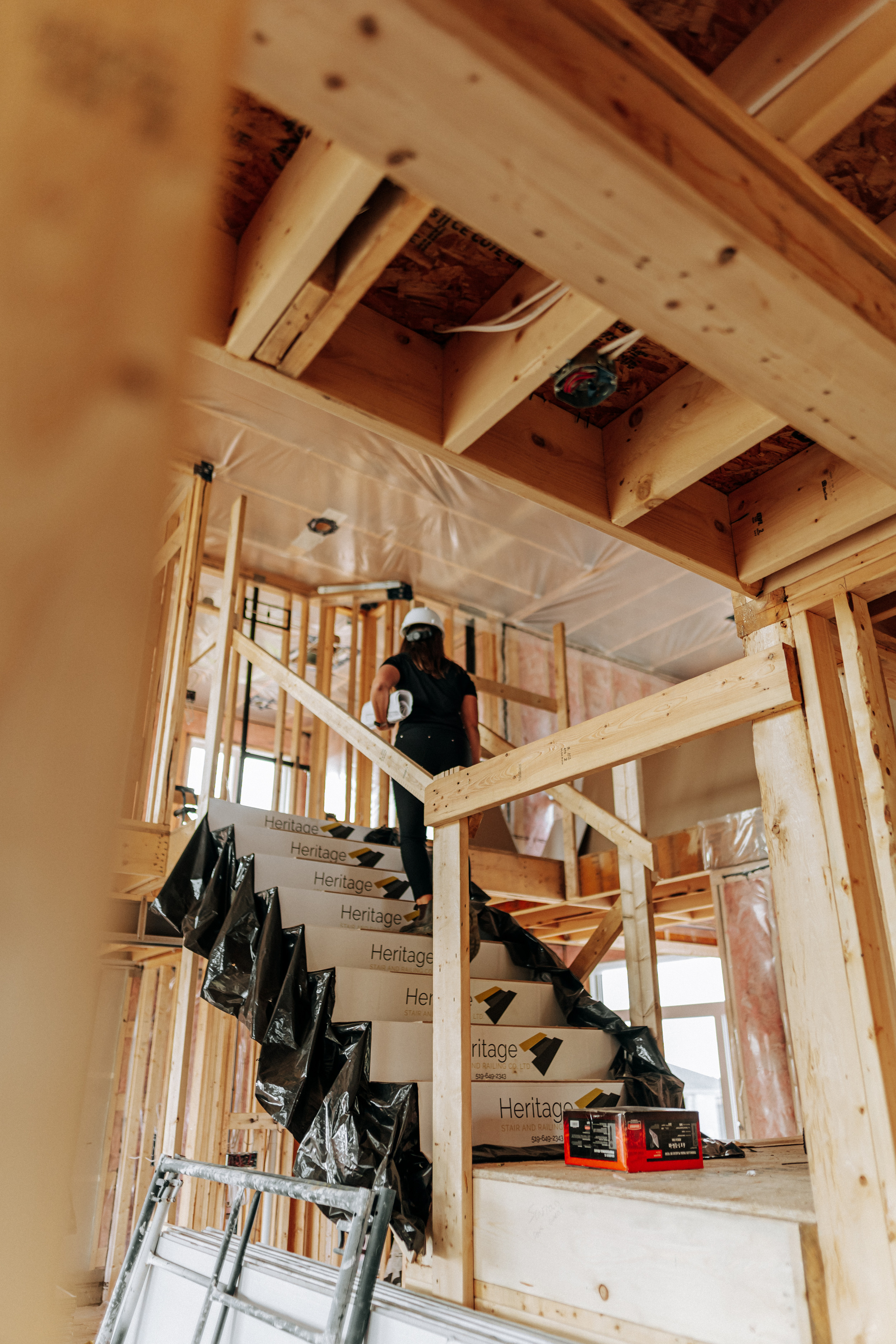
If energy efficiency matters to you, these questions are a good place to start:
Is the home built to the Ontario Building Code minimum, or to a program such as ENERGY STAR for New Homes?
What ventilation system is included, an HRV or an ERV?
What heating and cooling equipment does the home use, and how efficient is it?
What kind of windows are included, and are upgrades available?
Are features such as a smart thermostat available as upgrades?
Will the home have an airtightness (blower door) test?
Comfort You Feel Every Day
You rarely notice energy efficiency itself. What you notice are the everyday moments it makes possible: fresh air on a closed-up winter morning, a cool kitchen on a humid summer afternoon, and bills that hold steady from one season to the next. At Sol Haven, homes are designed for four-season living by the lake, so those comforts are part of settling in, whatever the weather is doing over Lake Huron.


FAQ
What makes a new home energy-efficient? A combination of insulation, air sealing, efficient windows, efficient heating and cooling, and mechanical ventilation. Every new home in Ontario must meet the energy requirements of the Ontario Building Code, and some builders go further through programs such as ENERGY STAR for New Homes.
What does an HRV do? A heat recovery ventilator replaces stale indoor air with fresh outdoor air, using heat from the outgoing air to warm the incoming air. An energy recovery ventilator (ERV) does the same and also transfers moisture to help balance humidity.

Is an energy-efficient home cheaper to run? Heating accounts for about 61% of the energy used in the average Canadian home, so a home that holds heat well generally needs less energy to stay comfortable. Actual costs depend on the home's size, its systems, energy rates and how it's used.
What humidity level should I keep in winter? Tarion recommends keeping indoor humidity between 30% and 45% in winter. A simple hygrometer helps you keep track.
How much more efficient is an ENERGY STAR new home? Natural Resources Canada reports that homes built to the ENERGY STAR for New Homes standard are, on average, 20% more energy-efficient than typical new homes.
References
Natural Resources Canada. (2024, December 23). Energy efficiency housing initiatives. Government of Canada. https://natural-resources.canada.ca/energy-efficiency/home-energy-efficiency/energy-efficiency-housing-initiatives
Natural Resources Canada. (2025, June 10). Winter is coming: Top tips to heat your home for less. Government of Canada. https://natural-resources.canada.ca/stories/spotlight-energy-efficiency/winter-coming-top-tips-heat-your-home-less
Natural Resources Canada. (n.d.). What's a heat/energy recovery ventilator and why do I need one? Government of Canada. https://www.nrcan.gc.ca/energy-efficiency/spotlight-energy-efficiency/2020/10/21/23072
Ontario Association of Architects. (n.d.). Ontario's 2024 Building Code: Updated practice tip on OBC's Supplementary Standard SB-12 on energy efficiency for housing. https://www.oaa.on.ca/whats-on/news-and-insights/news-and-insights-detail/Ontarios-2024-Building-Code-Updated-Practice-Tip-on-OBCs-Supplementary-Standard-SB-12-on-Energy-Efficiency-for-Housing
Tarion Warranty Corporation. (n.d.). Tips to help your home through the winter. https://www.tarion.com/node/66190


Comments